
The journey of gambling tracing its historical evolution through the ages
Origins of Gambling in Ancient Civilizations
The history of gambling dates back thousands of years, with its roots embedded in ancient civilizations. Archaeological findings indicate that some of the earliest forms of gambling can be traced to the Chinese, as early as 2300 BC, where rudimentary games of chance were played using tiles. Additionally, ancient Greeks and Romans engaged in various betting practices, often linked to popular events such as gladiator games and athletic competitions. These activities laid the groundwork for what would evolve into modern bitcoin casinos practices.
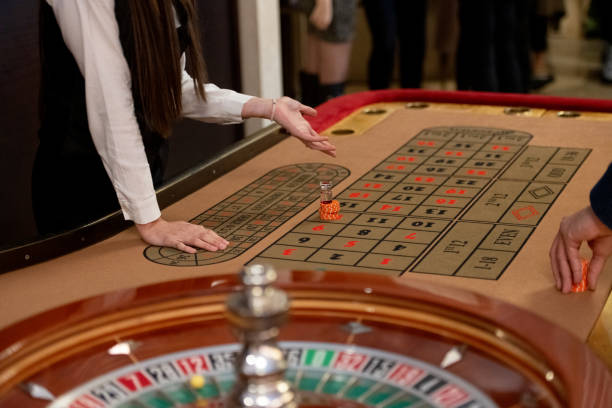
As societies evolved, so did the complexity of gambling games. The introduction of dice in various cultures, which were made from bones and ivory, showcased an early form of chance-based gaming. These developments reflect how gambling became intertwined with cultural rituals and social gatherings, marking it as a significant aspect of daily life in these civilizations.
The Middle Ages: Gambling and Its Regulation
During the Middle Ages, gambling experienced both popularity and scrutiny. While it remained a favored pastime among the nobility and commoners alike, various authorities sought to regulate and control the practice. The Church, viewing gambling as a sin, imposed restrictions, yet these efforts often failed to suppress the enthusiasm for betting. Instead, clandestine games flourished, leading to the establishment of gaming houses and early casinos.
During this period, the emergence of card games further transformed gambling practices. With the invention of playing cards in Europe around the 14th century, new avenues for wagering opened up. The intricate designs and mechanics of card games became symbols of status and sophistication, enhancing the allure of gambling among different social classes.
The Rise of Modern Gambling in the 19th Century
The 19th century marked a pivotal moment in the evolution of gambling, as it transitioned into a more organized and widespread activity. The establishment of public lotteries became a significant source of revenue for governments, promoting civic projects and infrastructure while also attracting widespread participation. This period also saw the rise of horse racing as a popular betting event, culminating in the creation of the first racetracks and betting parlors.
Furthermore, this era gave birth to iconic games such as poker and blackjack, which would dominate gambling culture. The proliferation of these games across the United States was facilitated by the Gold Rush, drawing people from various backgrounds to partake in both wealth-seeking and gambling opportunities. The allure of high-stakes games became synonymous with the American frontier spirit, enhancing the romantic notion of risk and reward in gambling.
The 20th Century: Legalization and Technological Advancements
The 20th century witnessed significant changes in the legal landscape of gambling, as many jurisdictions began to recognize the economic potential of regulated gaming. The legalization of casinos in Nevada in 1931 revolutionized the gambling industry, paving the way for Las Vegas to become the gambling capital of the world. This era also saw the birth of state-run lotteries, which further integrated gambling into everyday life.
Technological advancements began to reshape gambling in profound ways, introducing electronic gaming machines and, eventually, online gambling. The internet revolutionized how people engaged with gambling, allowing for a broader audience and unprecedented access to various games. This digital shift created new challenges in regulation and responsible gambling, leading to a deeper understanding of gambling behavior and its implications for society.

Exploring Gambling’s Impact Today
Today, gambling is a multi-billion-dollar industry that encompasses a wide range of activities, from traditional casinos to online platforms and mobile applications. As society continues to evolve, so too does the landscape of gambling, marked by continuous innovation and changing regulations. The focus on responsible gambling practices and consumer protection remains a central theme as technology integrates further into gambling experiences.
In this modern age, the journey of gambling is not just about the games themselves but also about the community and culture that have developed around them. Understanding this historical evolution is crucial for both players and operators in navigating the complexities of the gambling world. As this industry continues to grow, it remains essential to honor its rich history while adapting to new trends and societal expectations.